EcoShift - Nature-based Schoolyard Design
- 2024-
- Customer Li Hamburg
- Platform Windows
- Tools Unreal Engine 5
- Press NDR
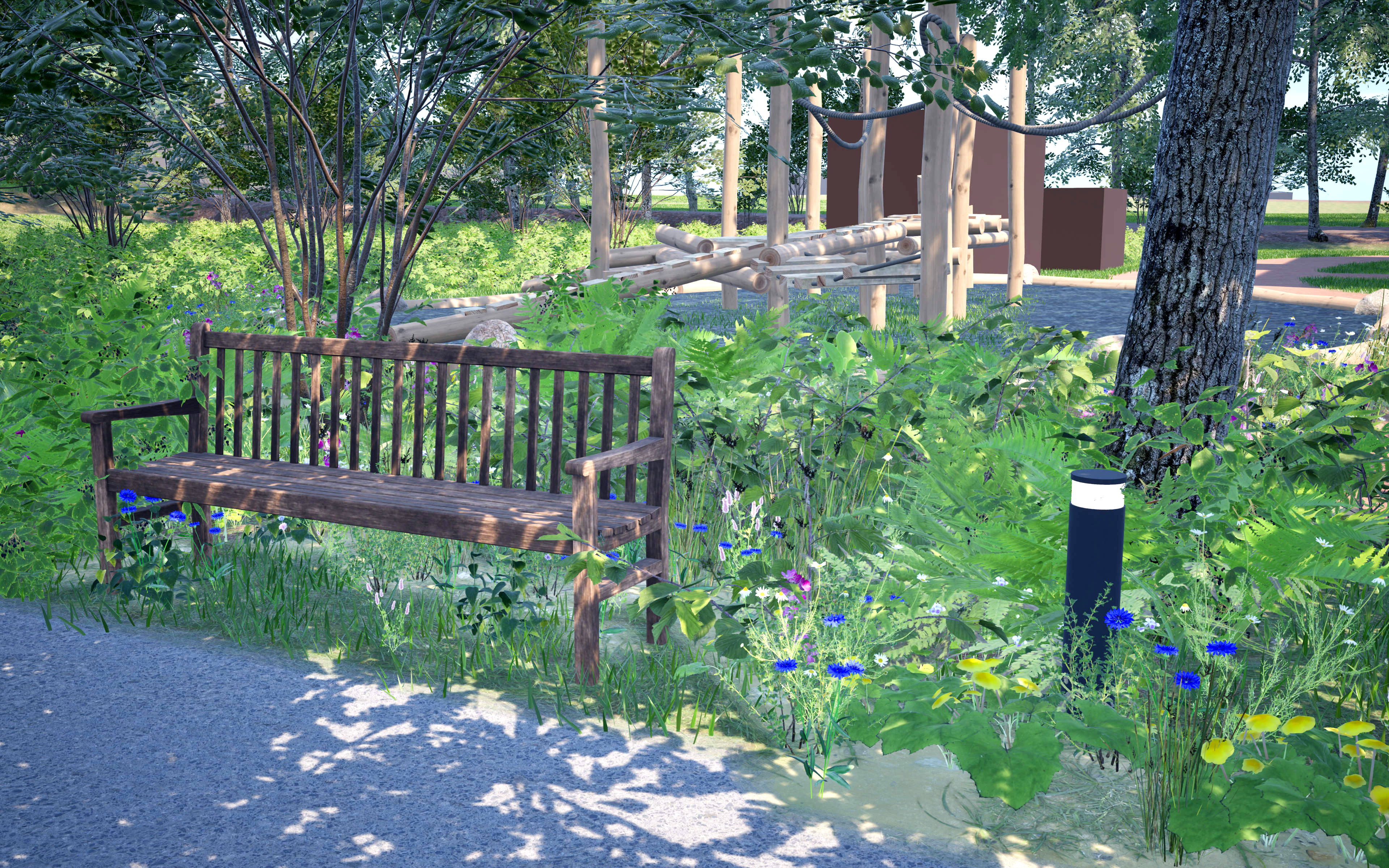
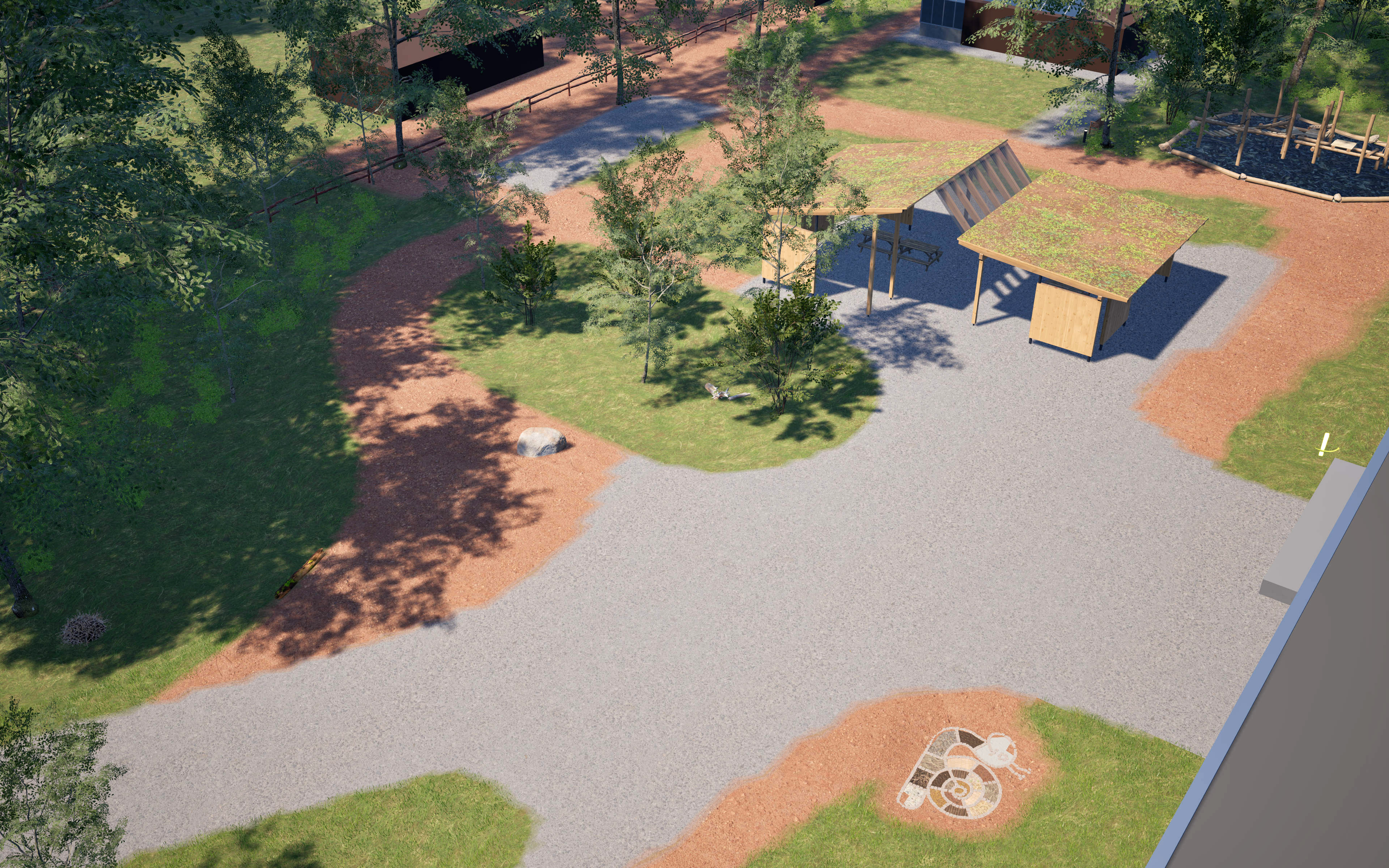
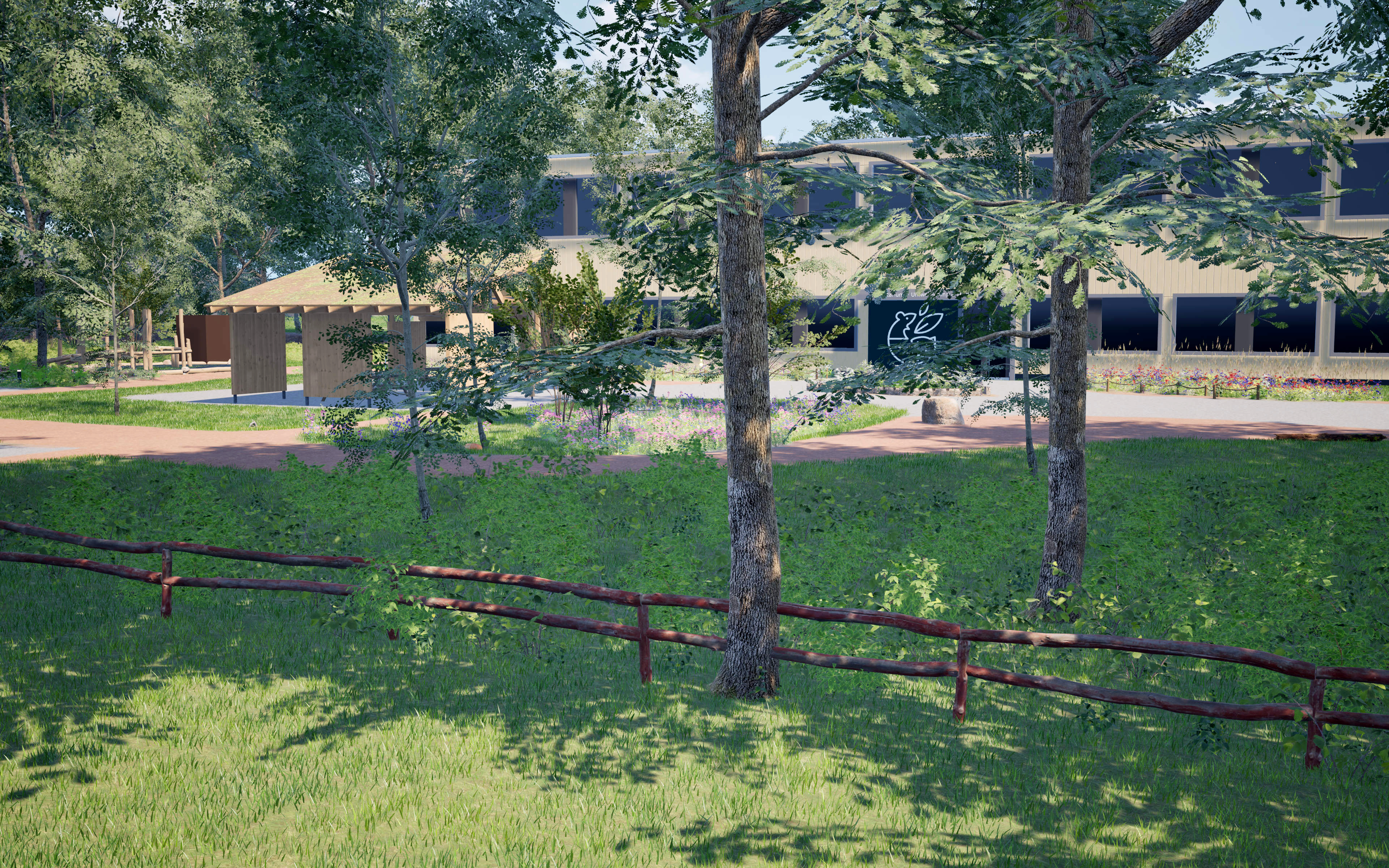
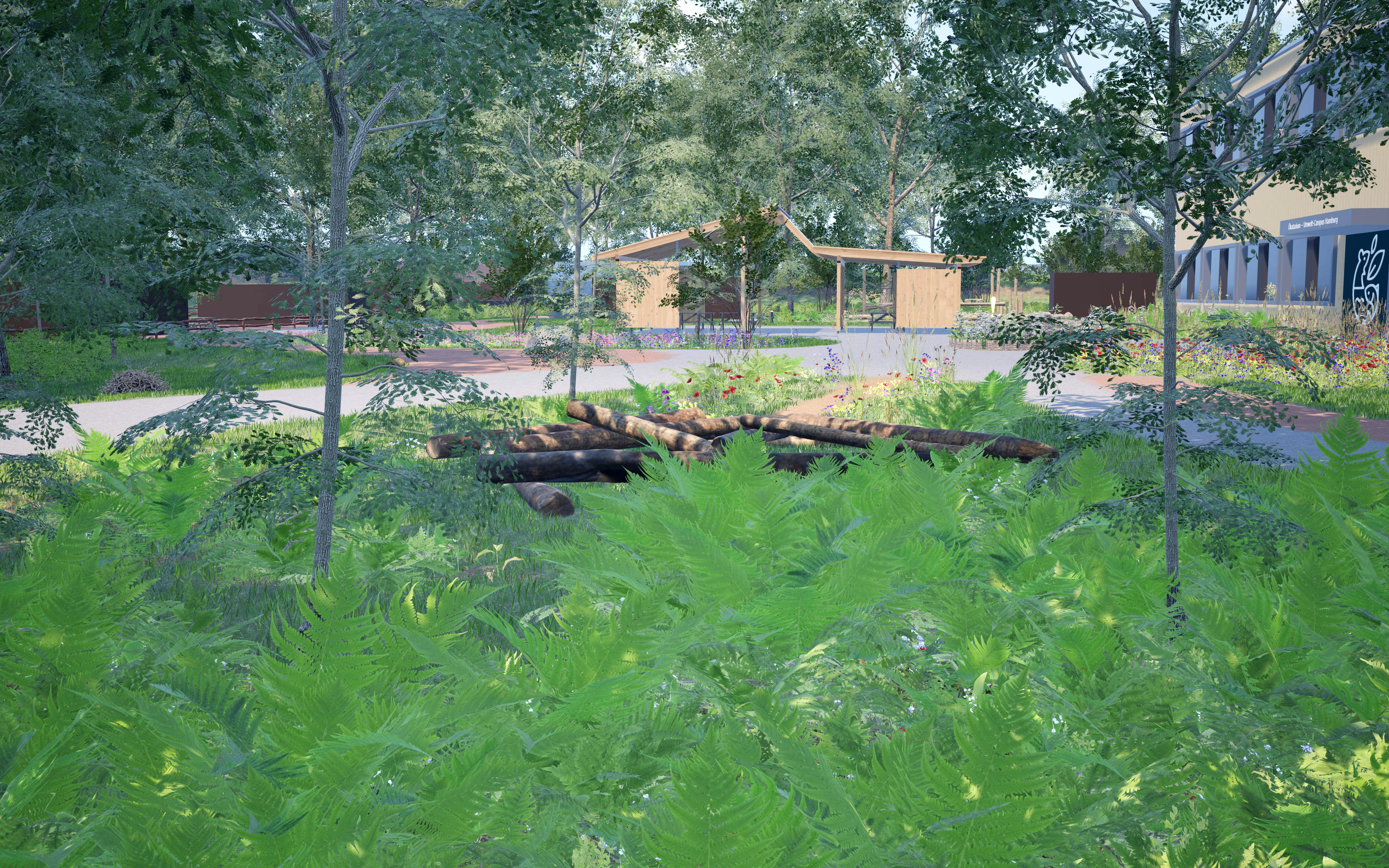
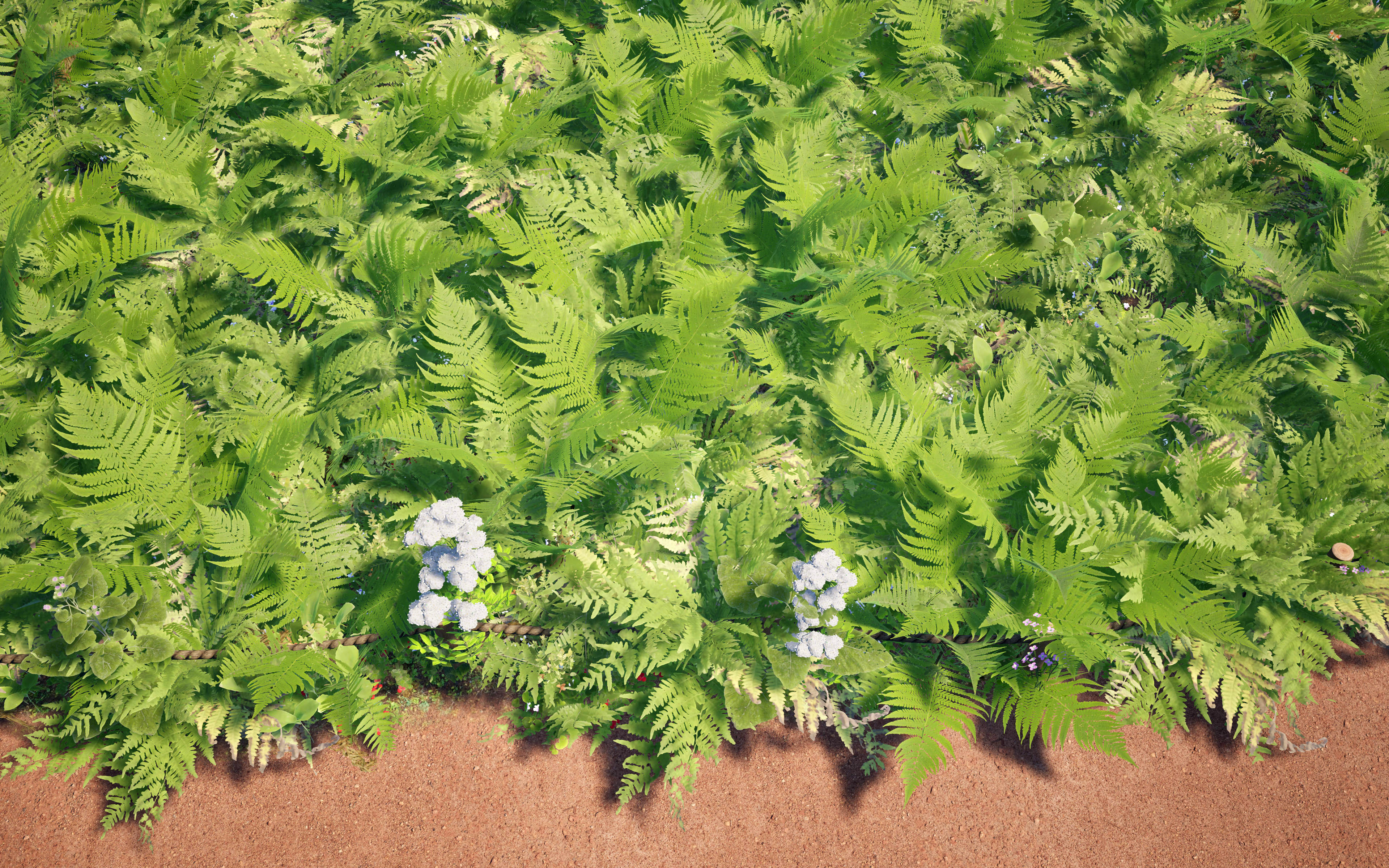
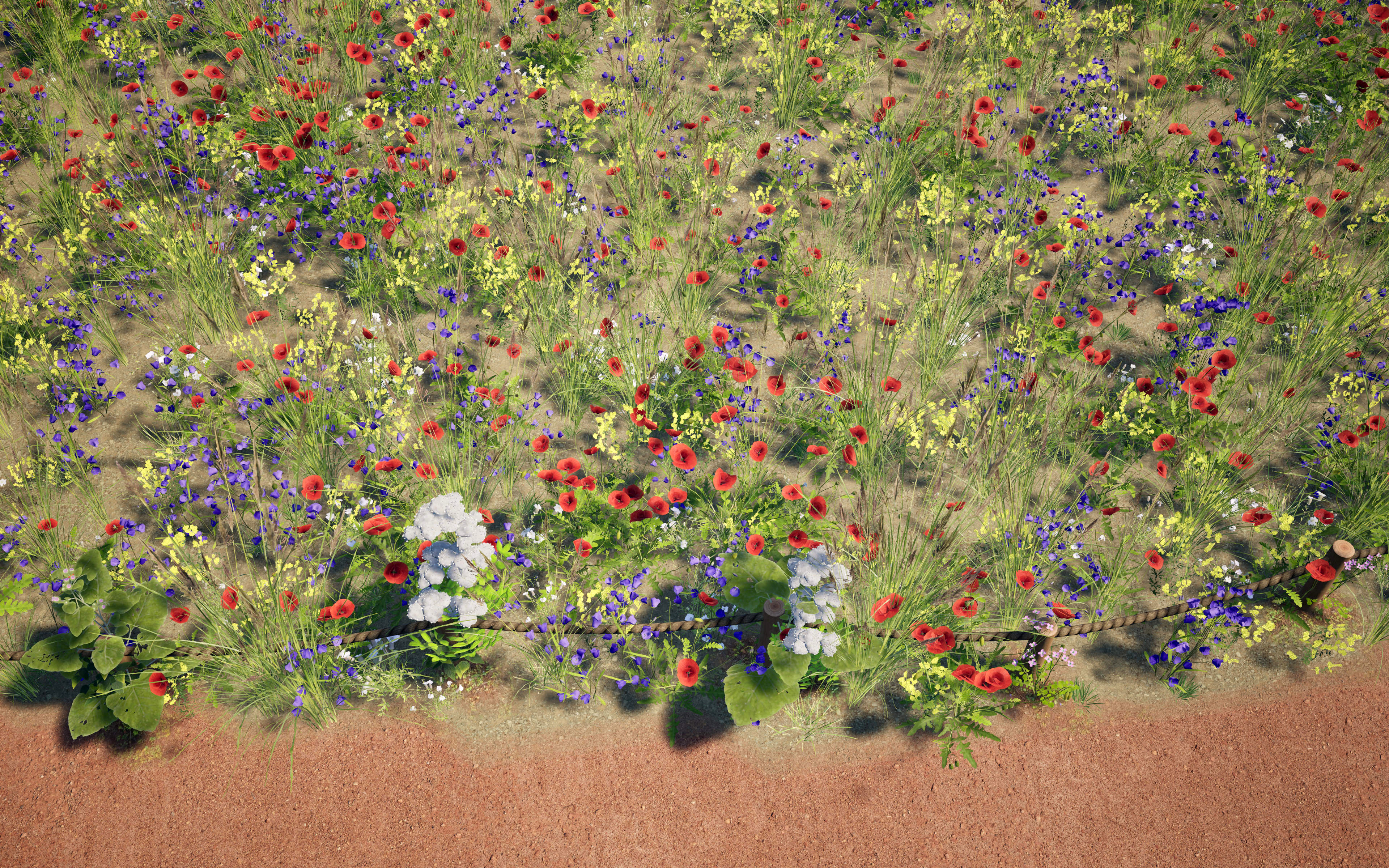
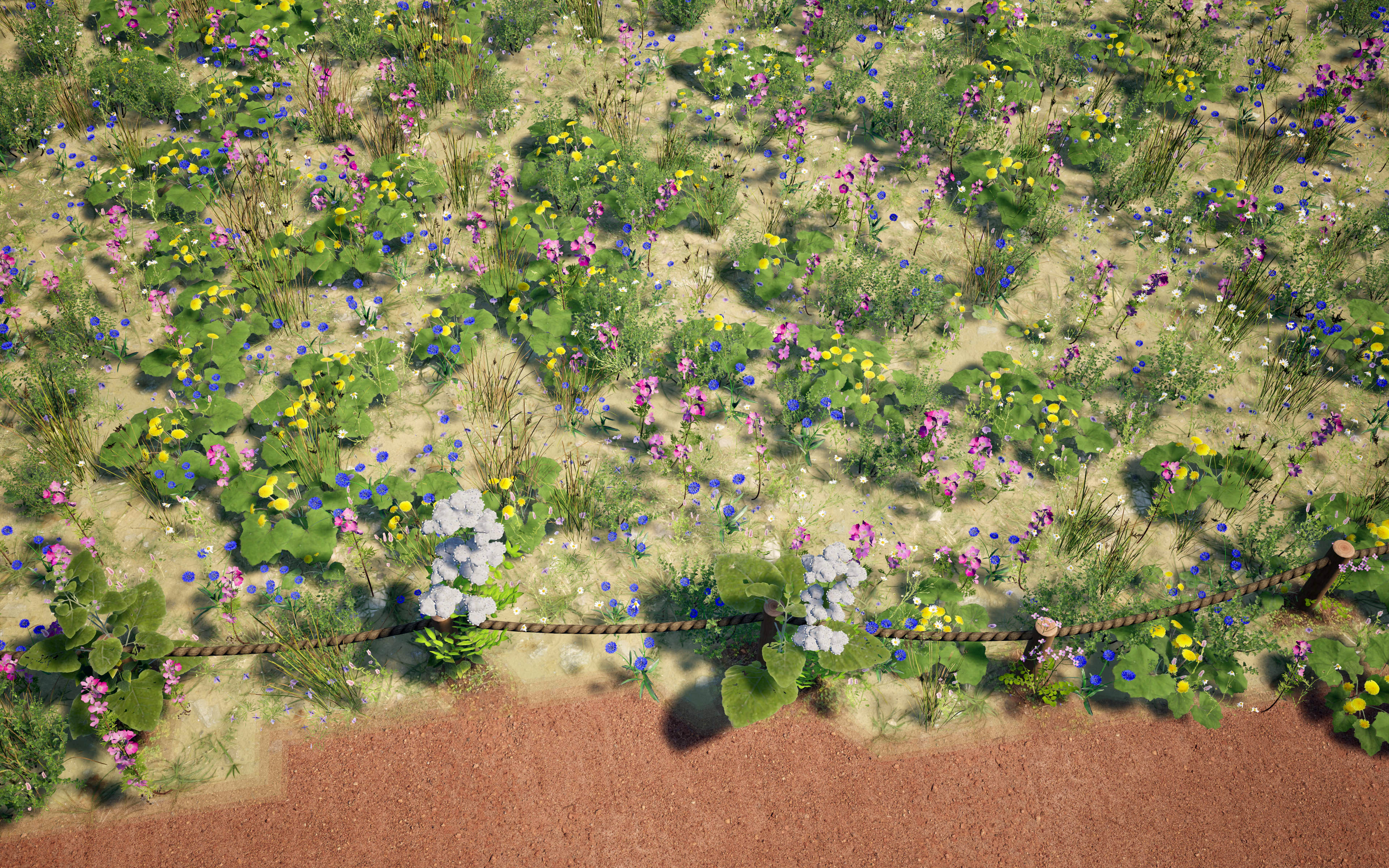
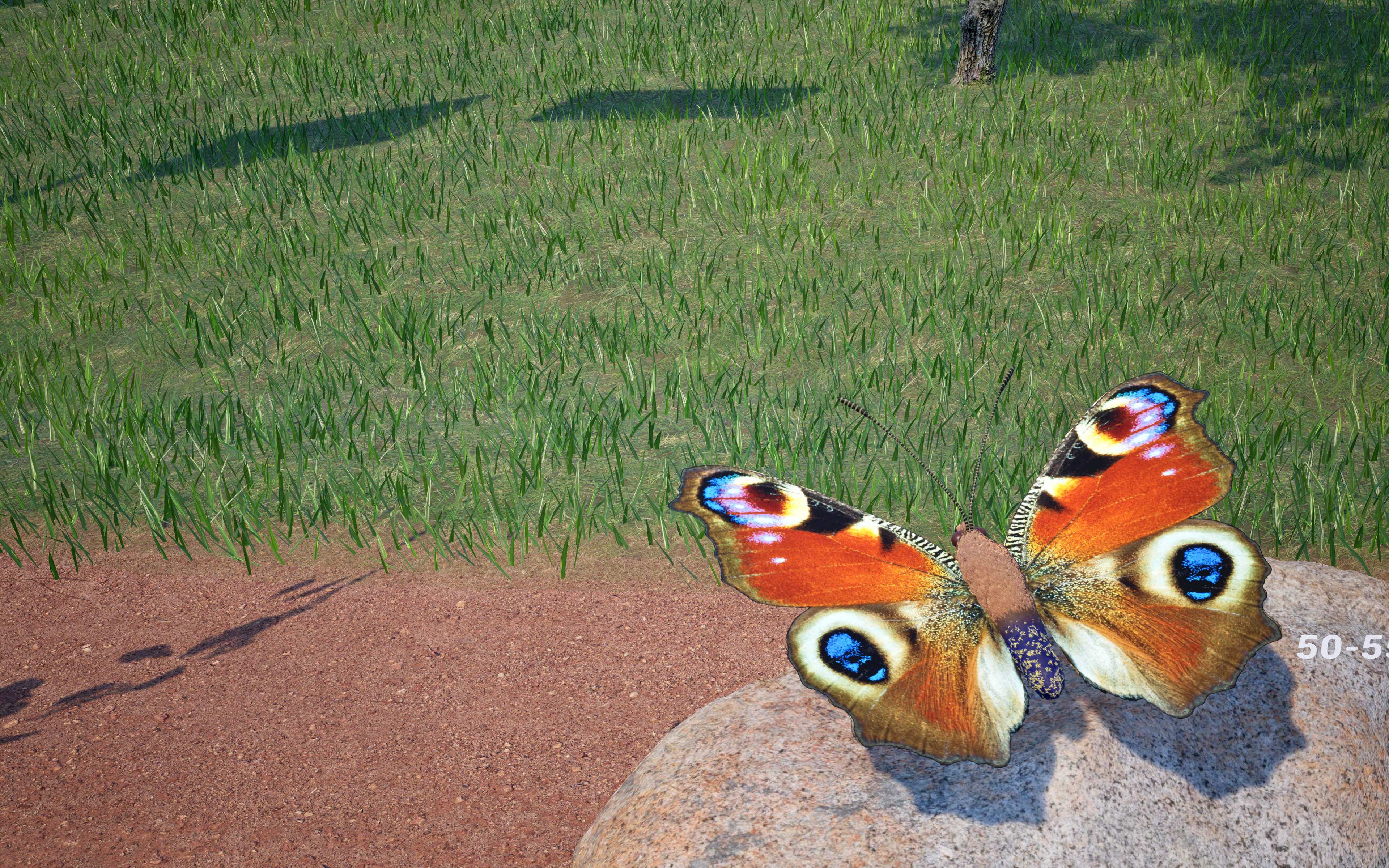
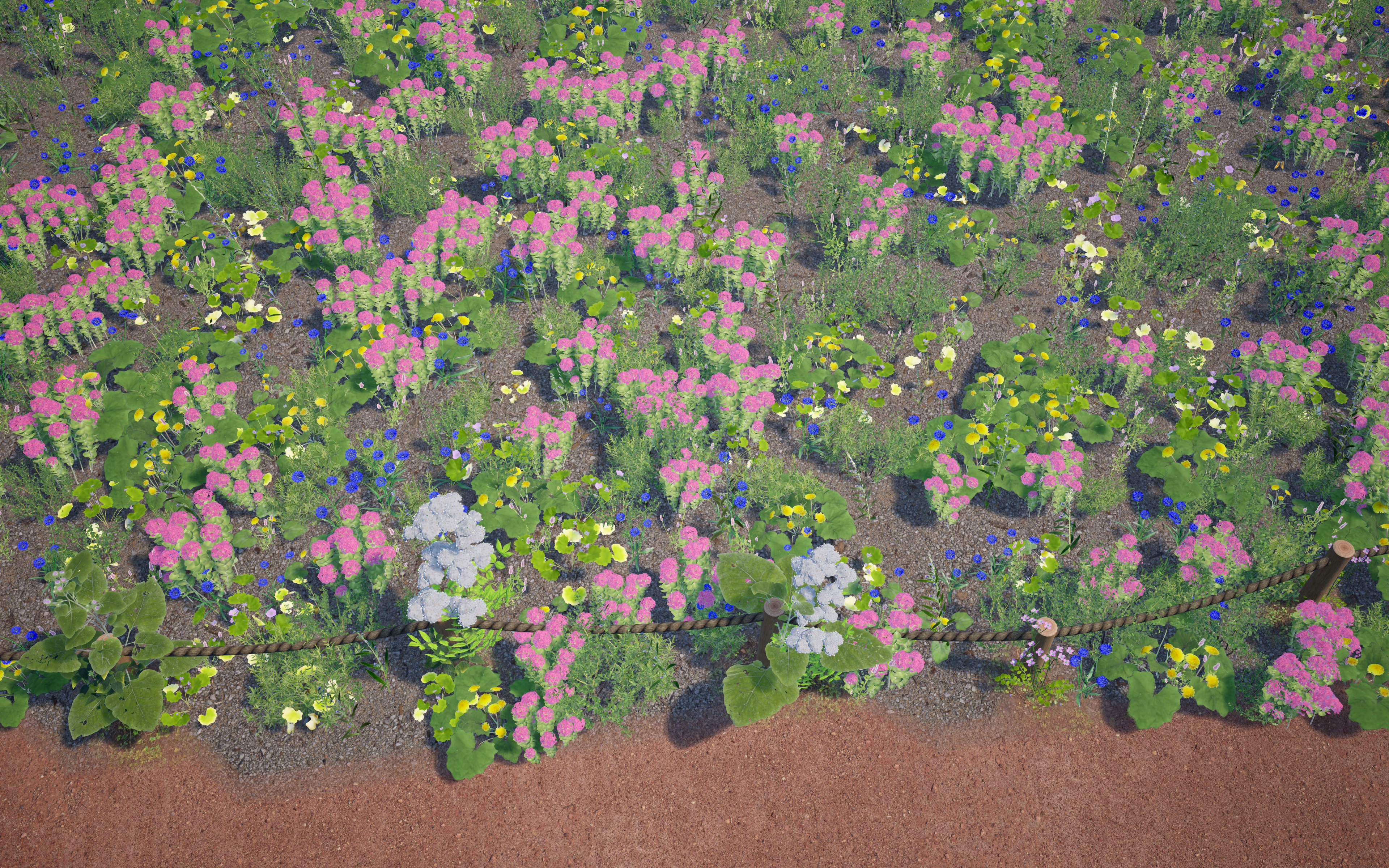
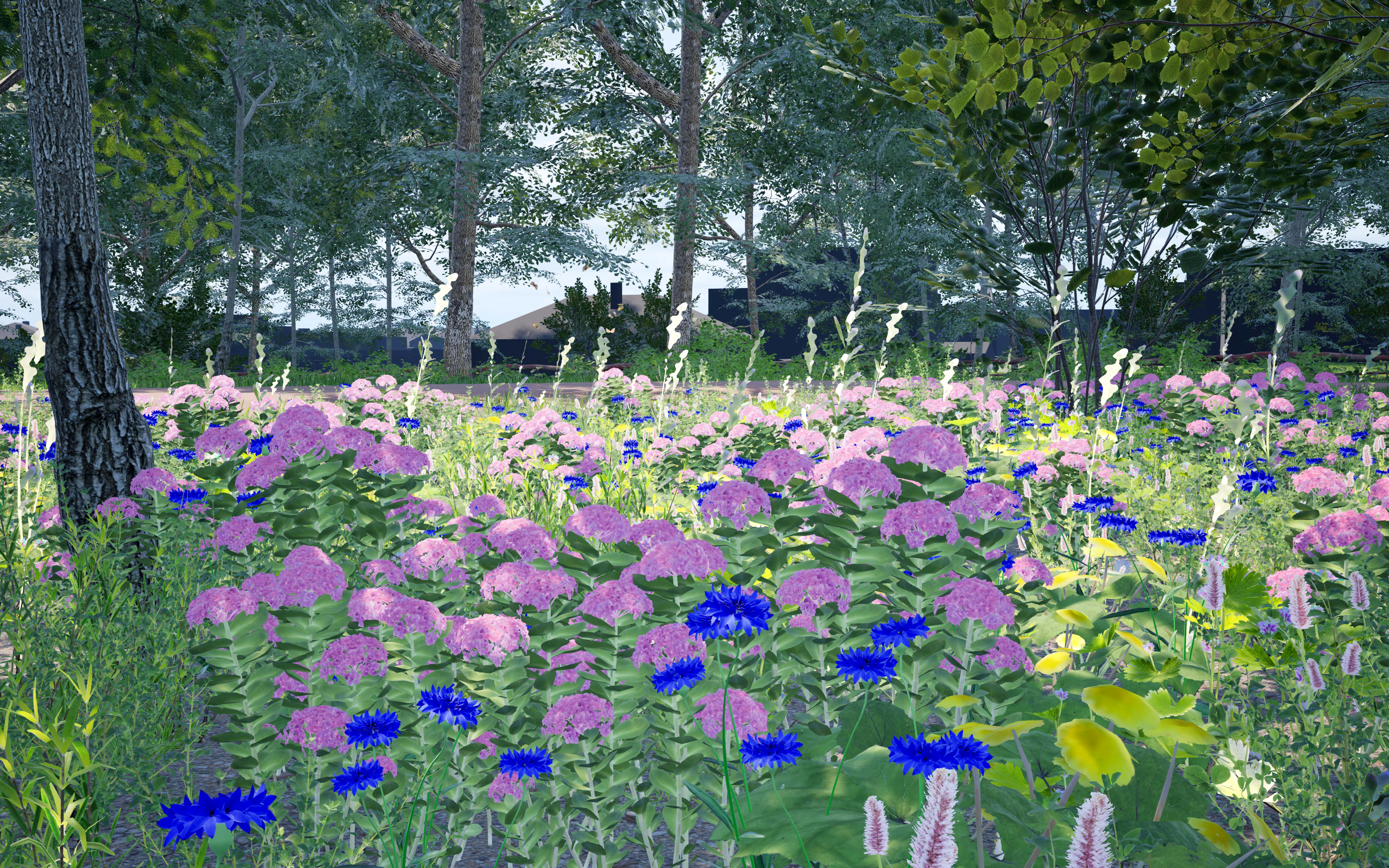
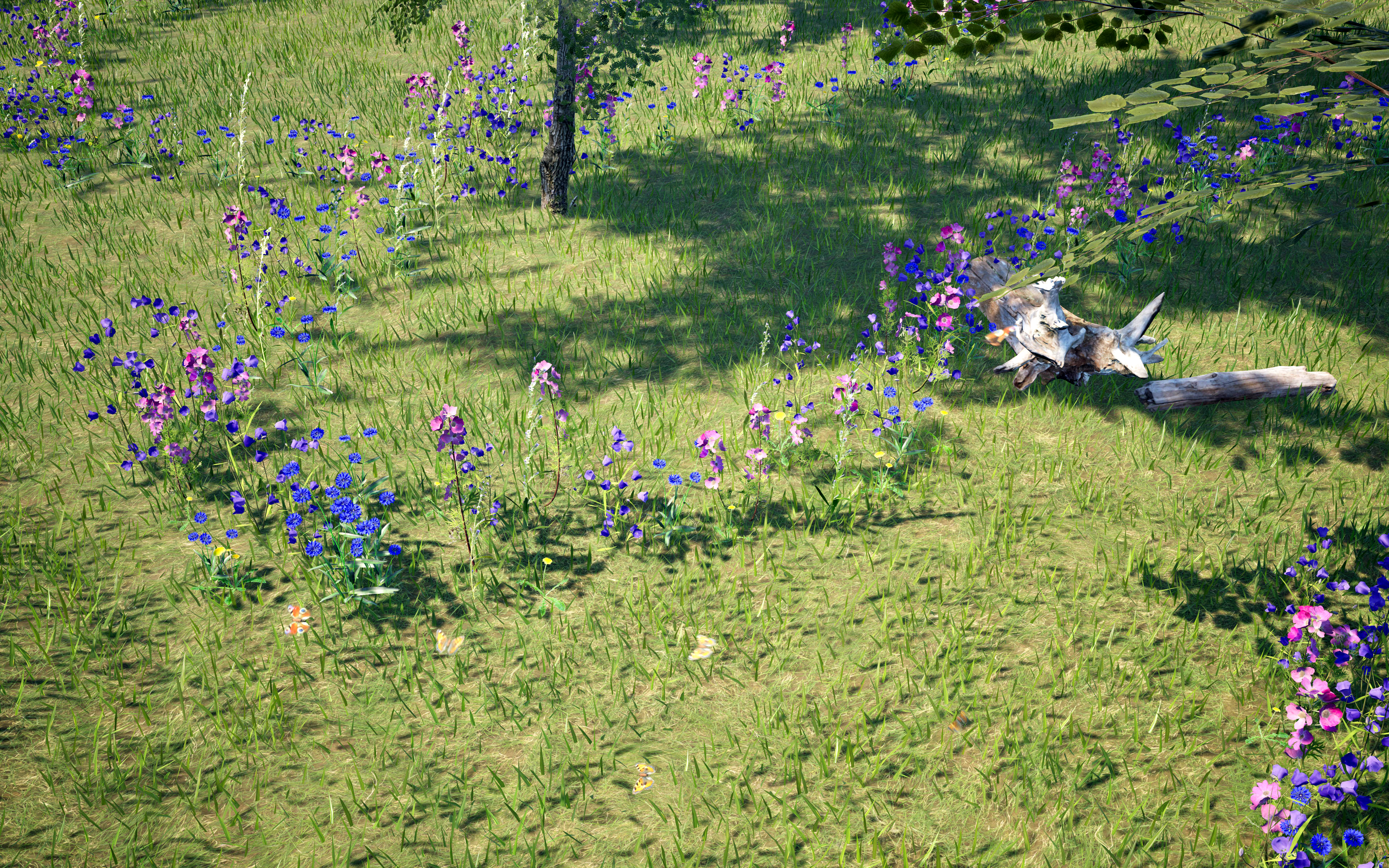
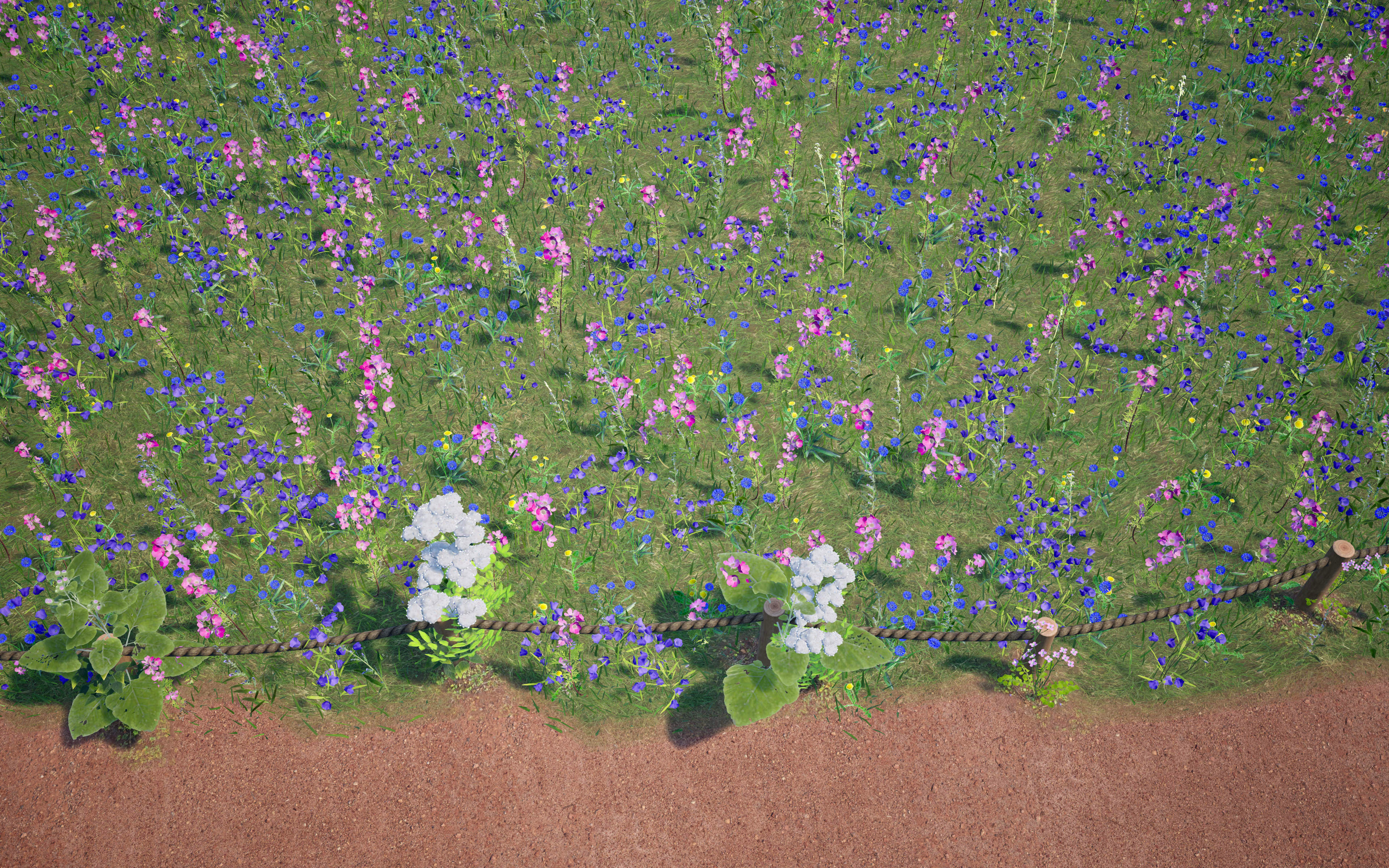
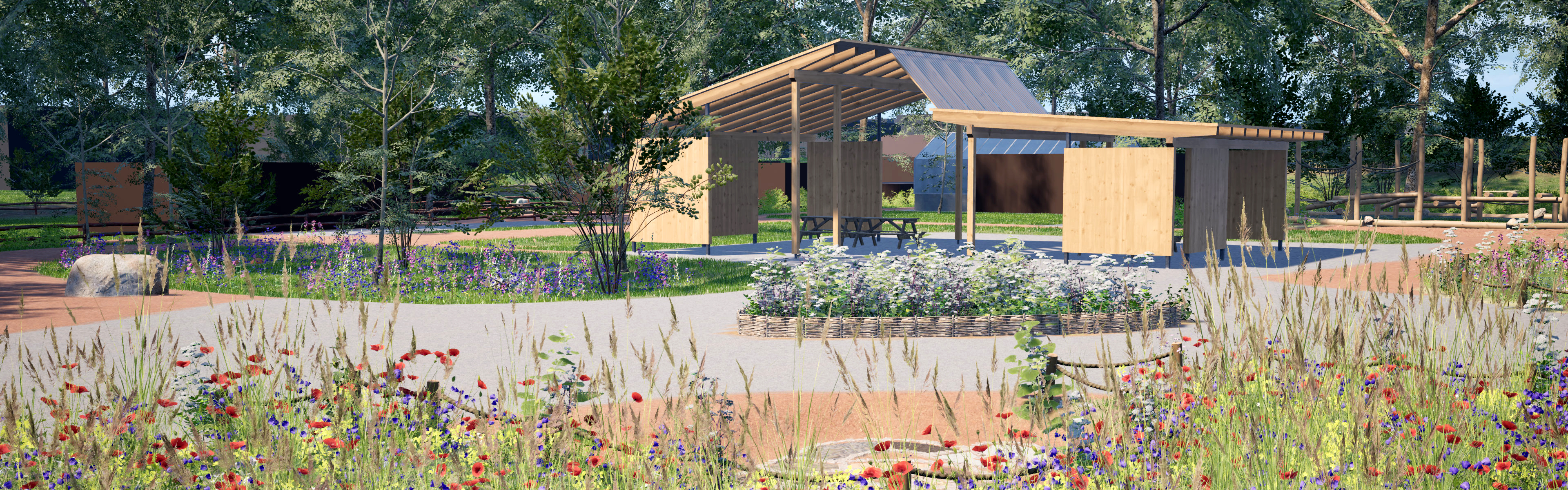
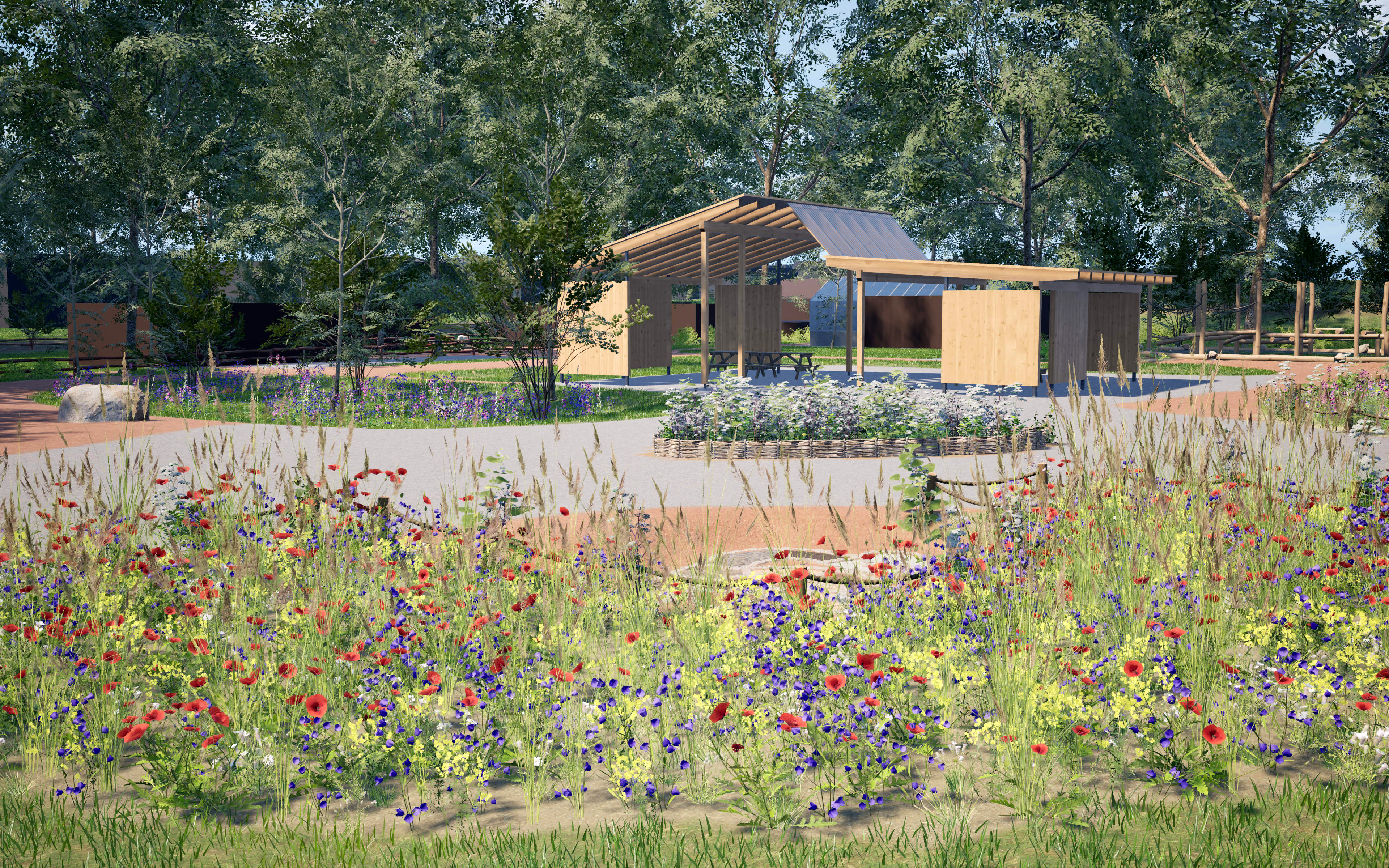
In cooperation with Li Hamburg and the Ökotarium, an extracurricular learning space for nature and the environment, the VR application EcoShift was developed. Here, students can rethink their own schoolyard: from a sealed surface to a place where plants grow, animals live and children like to spend time.
“VR is more than just 360-degree cinema. VR is meant to convey striking experiences and thereby support learning and teaching; it serves the acquisition of knowledge, the understanding of interrelationships and enables learners to act interactively accordingly.” Andreas Giese at the opening of the Ökotarium and the presentation of the project.
From a sealed site to a real habitat
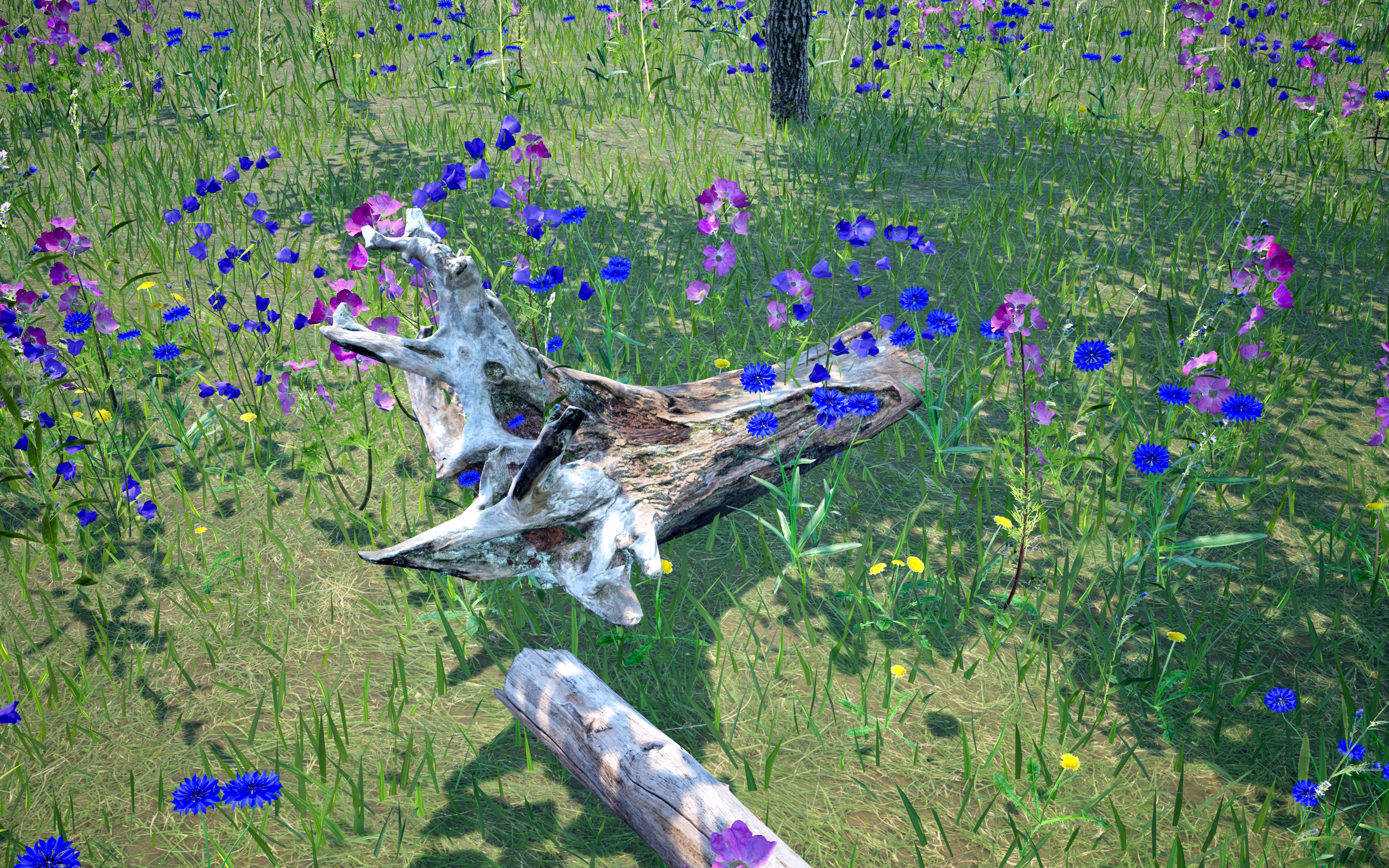
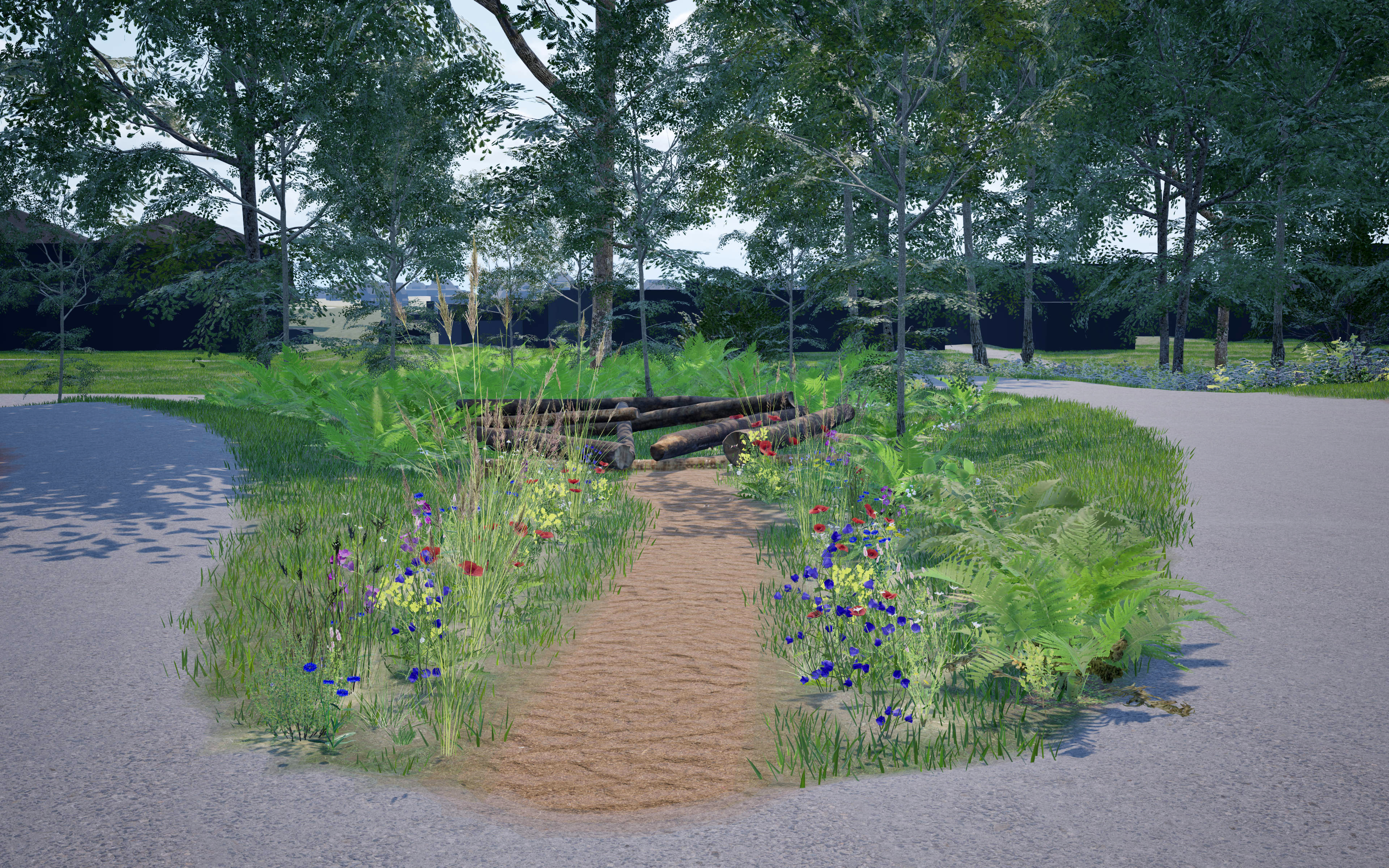
The Ökotarium’s pilot project site is home to insects that have not yet found a suitable habitat. They reveal what they are missing in order to settle. Their hints turn into concrete measures: unseal surfaces, create flower meadows, provide nesting sites. The more diverse the site becomes, the more species settle there. The students watch the fruits of their decisions grow.
Two perspectives on the same site
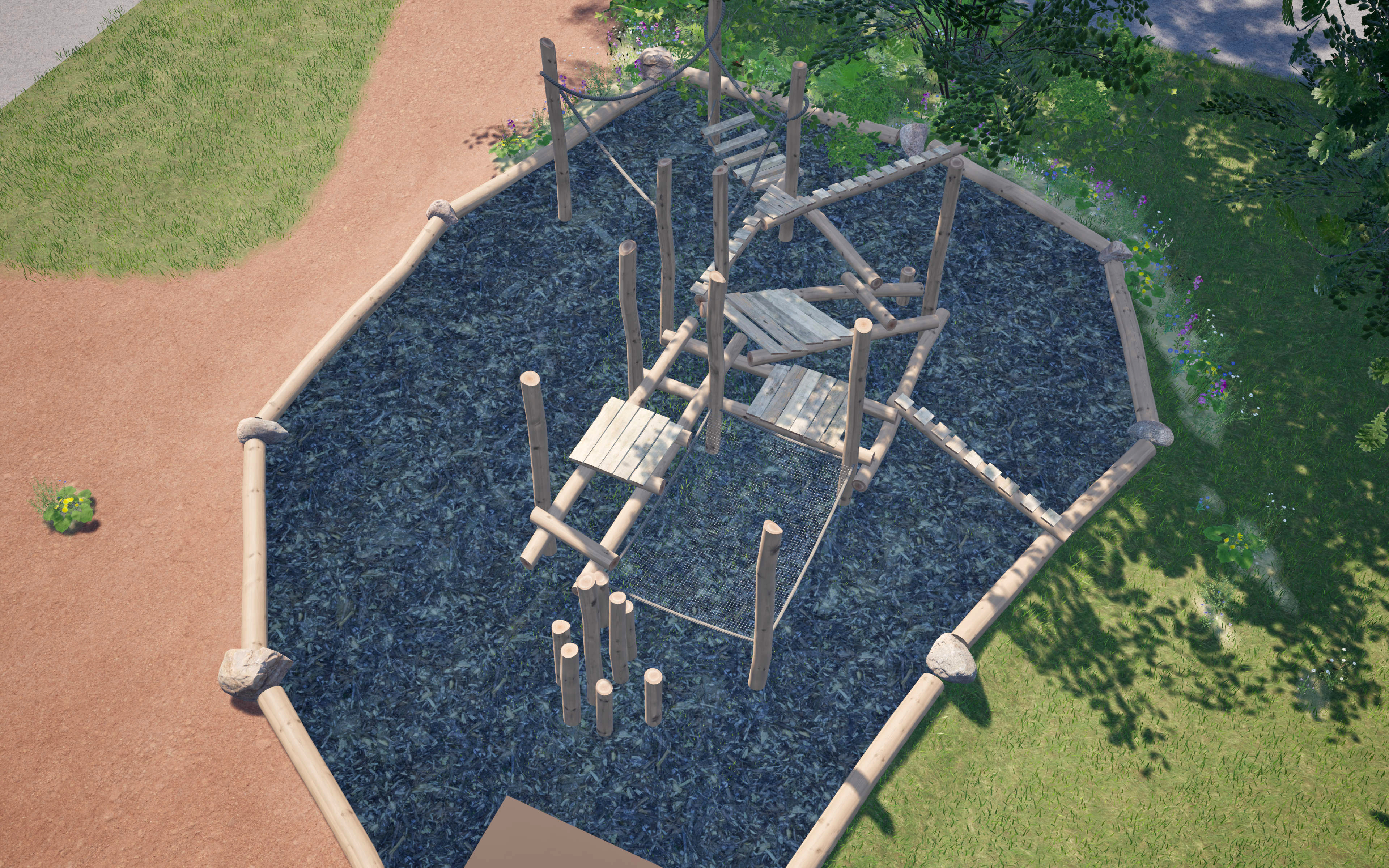
A schoolyard should be a habitat for animals and for people. So alongside meadows, planting beds and hedges, there are climbing frames, balance trails and natural seating areas. Room to move, to retreat and to meet others matters just as much as biodiversity. Every object and every area affects two aspects: nature and animals as well as well-being and fun. Some things benefit both; others force a trade-off in order to strike a balance.
Not a competition, but a space for thought
In the end, there is no leaderboard. The assessment makes visible what different ideas achieve and invites comparison. The game deliberately relies on calm rather than sensory overload: try things out, observe, rethink, try again. Along the way, students learn something about biodiversity, environmental protection and sustainable action. Above all, however, they experience that their surroundings can be shaped and that their own ideas make a difference.
Features
Collecting and Observing
- Record animals with a scanner
- Look up information about the animals and their needs in the wiki
- Read up on plants and plant communities in the wiki and use them accordingly
Designing the Site
- Unseal surfaces
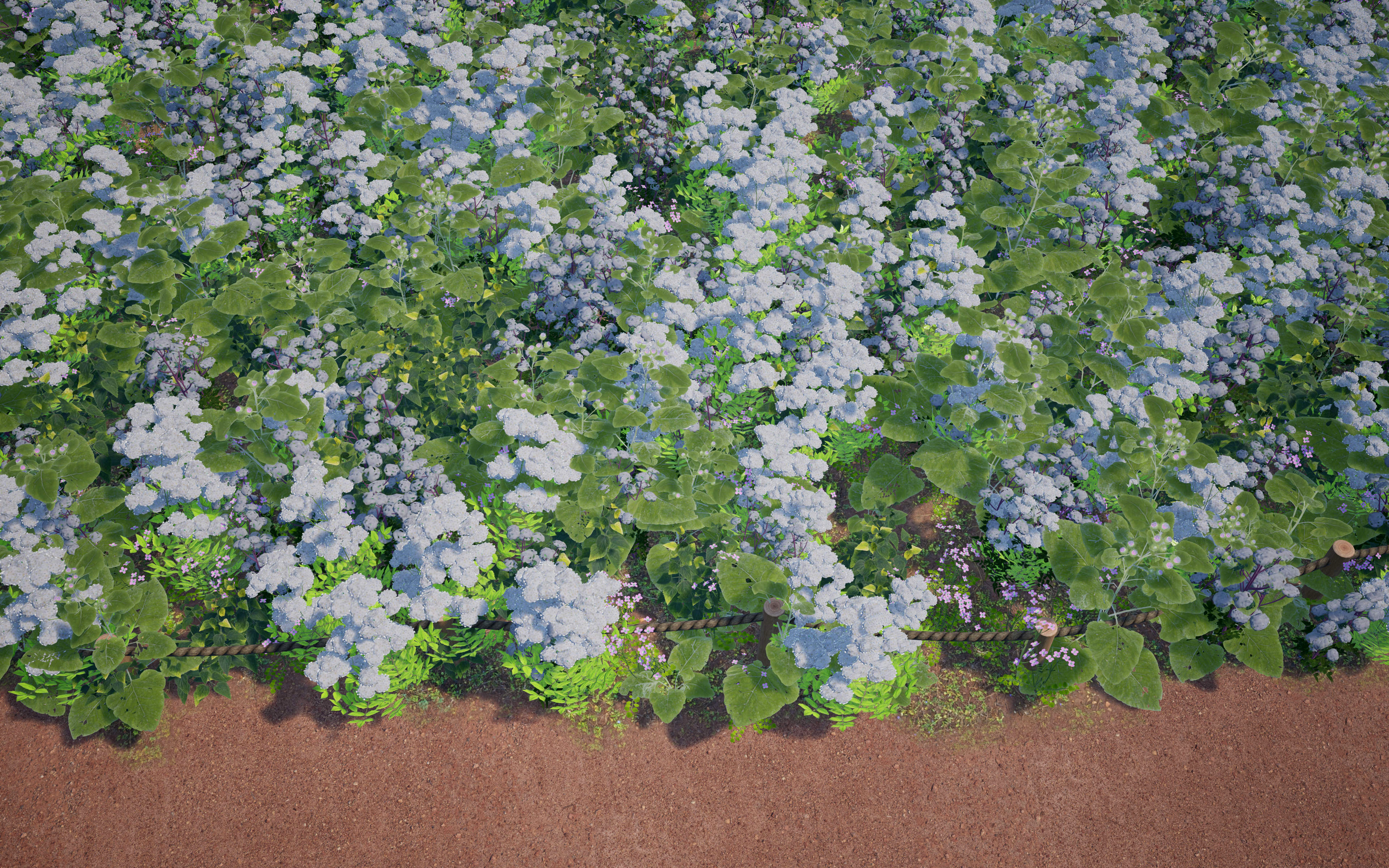
- Lay out planting beds
- Design paths
- Place natural play equipment